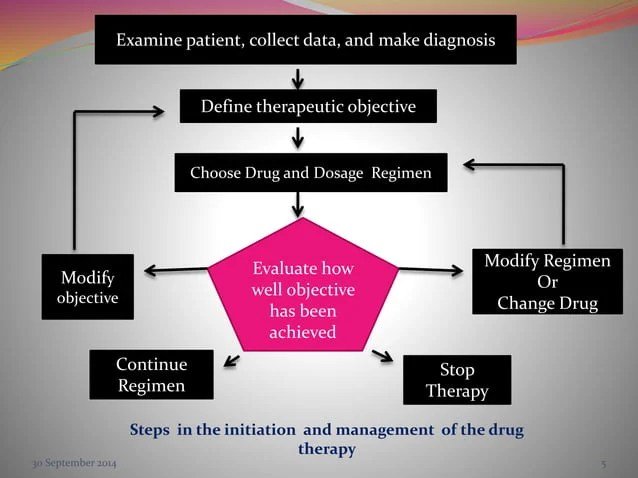
Taking a medication often feels like a simple act: swallow a pill, apply a cream, or get an injection. But beneath this apparent simplicity lies a sophisticated dance of science, ensuring the drug reaches its target, does its job, and safely exits your body. This intricate process, governed by pharmacokinetics, dosing, and administration, is the true backbone of effective drug treatment. Understanding it isn't just for pharmacists and doctors; it empowers you to be a more informed and active participant in your own healthcare.
It's the difference between a medication working perfectly and one causing side effects, or worse, failing to treat your condition at all.
At a Glance: Your Drug Journey Demystified
- Pharmacokinetics (PK) describes what your body does to a drug: how it's absorbed, distributed, metabolized, and eliminated (ADME).
- Dosing is about finding the "just right" amount of medicine – enough to be effective, but not so much it causes harm. It's highly personalized.
- Administration is how you take the drug, whether by mouth, injection, or other methods, and it profoundly impacts PK.
- Your unique biology (age, weight, genetics, organ function) plays a huge role in how drugs behave in your body.
- Following instructions is critical. Deviating from your prescribed dose or administration route can reduce effectiveness or increase risks.
- Always communicate openly with your healthcare provider about your medical history and any concerns.
Decoding Drug Dynamics: What Happens After You Take a Pill?
Imagine a drug as a tiny, highly specialized messenger. Once you introduce it to your body, it embarks on a complex journey. This journey, from entry to exit, is what we call pharmacokinetics. As the Merck Manuals explain, pharmacokinetics "describes how the body handles a drug and accounts for the processes of absorption, distribution, metabolism, and elimination." It's a dynamic interplay that dictates a drug's concentration in the blood and tissues over time, directly influencing its therapeutic effect and potential for side effects.
The Four Pillars of Pharmacokinetics: ADME
To understand pharmacokinetics, we break it down into four fundamental stages, often remembered by the acronym ADME:
1. Absorption: The Grand Entrance
Before a drug can work its magic, it first needs to get into your bloodstream. This is absorption. Think of it like getting onto the main highway to reach different cities. The speed and extent of absorption depend heavily on how the drug is administered (more on this later), its chemical properties, and your body's physiology.
- Oral Medications: When you swallow a pill, it must dissolve in your stomach or intestine and then pass through the intestinal wall into the capillaries that feed the portal vein. From there, it travels to the liver before entering general circulation.
- Other Routes: Injections directly into the bloodstream (intravenous, IV) bypass absorption entirely, offering immediate effects. Other routes, like intramuscular or subcutaneous, involve absorption from the muscle or fat tissue.
- Bioavailability: This crucial term refers to the percentage of the administered drug that actually reaches the systemic circulation in an unchanged form. A drug given intravenously has 100% bioavailability, while an oral drug might have much less due to incomplete absorption or being metabolized by the liver before it even reaches general circulation (known as the "first-pass effect").
2. Distribution: Spreading the Message
Once in the bloodstream, the drug doesn't just sit there; it's carried throughout the body, spreading its message to various tissues and organs. This is distribution. However, drugs don't necessarily distribute evenly.
- Blood Flow: Areas with rich blood supply (like the heart, liver, and kidneys) generally receive drugs faster and in higher concentrations than areas with less blood flow (like fat tissue).
- Tissue Binding: Some drugs have an affinity for specific tissues, accumulating there. For instance, drugs that are highly lipid-soluble might accumulate in fat tissue.
- Protein Binding: Many drugs bind to proteins in the blood, primarily albumin. Only the "unbound" or "free" drug can leave the bloodstream and interact with target receptors to produce an effect. If two drugs compete for the same protein binding sites, it can lead to higher-than-expected levels of the unbound drug, potentially causing toxicity.
- Barriers: Your body has protective barriers, like the blood-brain barrier, which selectively restrict drug entry into sensitive areas. This is why treating brain infections can be challenging, as many antibiotics can't cross this barrier effectively.
3. Metabolism: The Chemical Makeover
Metabolism, primarily occurring in the liver, is the process where your body chemically transforms drugs. Often, this makes drugs more water-soluble, which facilitates their excretion by the kidneys. Sometimes, metabolism converts an inactive "prodrug" into an active form, or it can turn an active drug into an inactive metabolite.
- The Liver's Role: The liver is the primary site of drug metabolism, thanks to a family of enzymes called cytochrome P450 (CYP) enzymes. These enzymes are incredibly diverse, and genetic variations in these enzymes can significantly alter how an individual metabolizes certain drugs.
- Drug Interactions: Many drug interactions occur at the metabolism stage. One drug can inhibit or induce the activity of CYP enzymes, thereby increasing or decreasing the metabolism of another drug taken concurrently. This can lead to dangerously high or subtherapeutic drug levels. For example, some common antibiotics can inhibit the metabolism of certain blood thinners, increasing bleeding risk.
- Active Metabolites: Not all metabolites are inactive. Some drugs are metabolized into compounds that are still pharmacologically active, sometimes even more potent than the parent drug. In these cases, the body's ability to metabolize and eliminate these active metabolites also plays a crucial role in the drug's overall effect and duration of action.
4. Elimination: The Grand Exit
The final stage is elimination, where the drug and its metabolites are removed from the body. Most drugs are eliminated via the kidneys, but other routes exist.
- Kidney Excretion: The kidneys filter drugs from the blood and excrete them in the urine. This process involves glomerular filtration, tubular reabsorption, and tubular secretion. If kidney function is impaired (due to disease or aging, as noted by the Merck Manuals), drugs can accumulate to toxic levels.
- Biliary Excretion: Some drugs are excreted into the bile by the liver and then eliminated in the feces.
- Other Routes: Minor routes include excretion through sweat, tears, breast milk, or exhaled air (e.g., alcohol).
- Half-Life: A key concept in elimination is the drug's "half-life" – the time it takes for the concentration of a drug in the body to be reduced by half. The half-life helps determine how often a drug needs to be taken to maintain therapeutic levels and how long it takes for a drug to be completely cleared from the system.
Mastering the Dose: Why One Size Doesn't Fit All
The amount of medication you take, known as the dose, is not a random number. It's carefully calculated to achieve a "therapeutic window" – a range of drug concentrations in the body that provides the desired beneficial effects without causing unacceptable toxicity. Too little drug, and it won't work; too much, and it could be harmful.
Striking this balance is a dynamic process influenced by a multitude of individual factors.
Factors Shaping Your Ideal Dose
Your body is unique, and so is its response to medication. That's why personalized dosing is crucial.
- Weight and Body Surface Area: Many drug doses, especially for potent medications or those given to children, are calculated based on body weight (e.g., mg/kg) or body surface area (BSA). A larger person generally requires a larger dose to achieve the same concentration as a smaller person.
- Age: Both very young and very old individuals often require dose adjustments.
- Children: Their organs (especially the liver and kidneys) are still developing, leading to different metabolic and elimination rates compared to adults.
- Elderly: As people age, kidney and liver function can decline (as highlighted by the Merck Manuals), and body composition changes (e.g., less lean muscle, more fat), all of which can alter drug pharmacokinetics. Older adults are also more sensitive to many medications.
- Gender: Hormonal differences and variations in body fat composition can influence drug distribution and metabolism. For some drugs, different dosing guidelines exist for men and women.
- Organ Function (Liver and Kidneys): This is perhaps one of the most critical factors. If your liver (the primary site of metabolism) or kidneys (the primary site of elimination) aren't functioning optimally, drugs can accumulate in your system, leading to toxicity. Doctors frequently adjust doses for patients with impaired liver or kidney function.
- Genetics: Our genes play a significant role in how our bodies process drugs. Genetic variations can affect the activity of drug-metabolizing enzymes (like the CYP enzymes mentioned earlier) or drug transporters. This explains why some people respond well to a standard dose of a particular medication, while others might experience severe side effects or no effect at all. This field, pharmacogenomics, is rapidly advancing personalized medicine.
- Drug Interactions: As previously mentioned, taking multiple medications can alter the pharmacokinetics of one or more of them. Herbal supplements, over-the-counter drugs, and even certain foods can also interact with prescription medications.
- Disease State: The underlying medical condition being treated, or other co-existing conditions, can impact drug response. For example, fever can increase metabolism, while heart failure can reduce blood flow to organs, affecting distribution and elimination.
The Art of Titration and Therapeutic Drug Monitoring
Because individual responses vary so widely, precise dosing often isn't a one-and-done calculation.
- Titration: This is the process of gradually adjusting a drug dose based on a patient's response and tolerance. A doctor might start with a low dose and slowly increase it until the desired effect is achieved with minimal side effects. This is common for drugs treating conditions like hypertension or chronic pain.
- Therapeutic Drug Monitoring (TDM): For certain drugs with a narrow therapeutic window (where the difference between an effective dose and a toxic dose is small), doctors may measure drug concentrations in a patient's blood. This helps ensure levels are within the therapeutic range and guides dose adjustments. Examples include certain antibiotics, anti-epileptic drugs, and cardiac medications.
Choosing the Right Path: Understanding Drug Administration Routes
The way a drug enters your body – its route of administration – is not arbitrary. It's a critical decision that impacts how quickly the drug acts, how much of it reaches its target, and how long its effects last. It directly influences the absorption phase of pharmacokinetics.
Oral Administration (PO): The Most Common Path
Swallowing a pill, capsule, or liquid is by far the most convenient and common route.
- Pros: Convenient, generally safe, non-invasive, cost-effective, no sterile equipment needed.
- Cons: Absorption can be slow and variable (affected by food, other drugs, gut motility). Subject to the "first-pass effect" where the liver metabolizes a significant portion of the drug before it reaches general circulation, reducing bioavailability. Not suitable for drugs degraded by stomach acid or digestive enzymes, or for unconscious/vomiting patients.
- Instructions Matter: "Take with food" usually helps reduce stomach upset or improve absorption of fat-soluble drugs. "Take on an empty stomach" often means the drug's absorption is hindered by food. Always follow these instructions carefully.
Parenteral Routes: Bypassing the Gut
These routes involve injections, delivering drugs directly into tissues or the bloodstream, completely bypassing the digestive system and the first-pass effect.
- Intravenous (IV): Injected directly into a vein.
- Pros: Fastest onset of action (bypasses absorption), 100% bioavailability, precise control over drug levels, suitable for large volumes and irritating drugs (when diluted).
- Cons: Irreversible, requires skilled personnel, risk of infection, pain at injection site, more expensive. Often used for emergencies or when oral administration isn't feasible. Many antibiotics, like those in the Explore third-generation cephalosporins family, are frequently given intravenously for serious infections due to their rapid action and efficacy.
- Intramuscular (IM): Injected into a muscle (e.g., deltoid, gluteal).
- Pros: Faster absorption than oral (due to good blood supply in muscle), suitable for moderate volumes, can provide sustained release.
- Cons: Painful, risk of muscle damage, requires sterile technique. Used for vaccines and some long-acting psychiatric medications.
- Subcutaneous (SC): Injected into the fat layer just beneath the skin.
- Pros: Slower and more sustained absorption than IM, suitable for small volumes, patients can often self-administer (e.g., insulin).
- Cons: Slower onset than IM/IV, limited volume, potential for irritation or discomfort.
Other Routes: Targeted Delivery and Unique Needs
Beyond oral and parenteral, several other routes offer specific advantages for certain drugs and conditions.
- Topical: Applied directly to the skin or mucous membranes (e.g., creams, ointments, eye drops, nasal sprays).
- Pros: Local effect, minimizes systemic side effects.
- Cons: Limited absorption for systemic effects, skin barriers.
- Transdermal: Applied to the skin as a patch, designed for slow, continuous absorption into the bloodstream for systemic effects.
- Pros: Convenient, sustained drug delivery, bypasses first-pass metabolism.
- Cons: Only suitable for highly potent, lipid-soluble drugs, potential for skin irritation. Examples include nicotine patches, hormone replacement therapy patches.
- Inhalation: Breathed into the lungs (e.g., inhalers for asthma).
- Pros: Rapid absorption due to large surface area of lungs, direct delivery to respiratory tract for local effect, minimizes systemic side effects.
- Cons: Requires proper technique, can irritate airways.
- Rectal: Administered into the rectum (e.g., suppositories, enemas).
- Pros: Useful for local effects (hemorrhoids), systemic absorption can occur, avoids first-pass metabolism for some drugs, alternative for vomiting or unconscious patients.
- Cons: Absorption can be irregular, patient discomfort.
- Sublingual/Buccal: Placed under the tongue (sublingual) or between the cheek and gum (buccal).
- Pros: Rapid absorption directly into systemic circulation (bypasses first-pass metabolism), useful for drugs needing quick action (e.g., nitroglycerin for angina).
- Cons: Limited to small doses, taste can be an issue.
Navigating the Complexities: Common Pitfalls and Misconceptions
Despite careful prescribing, misunderstanding pharmacokinetics, dosing, and administration can lead to common mistakes and suboptimal outcomes.
- The "More is Better" Fallacy: A common and dangerous misconception. Doubling your dose won't necessarily double the benefit; it's more likely to double the risk of side effects or toxicity. Every drug has a maximum effective dose, beyond which benefits plateau while risks escalate.
- Ignoring Administration Instructions: Taking medication "with food" versus "on an empty stomach" isn't just a suggestion. Food can drastically alter a drug's absorption, either enhancing it or blocking it. Similarly, crushing a sustained-release tablet can lead to a sudden, overwhelming release of the entire dose, causing toxicity. Always read and follow the instructions on the label and from your pharmacist.
- Self-Medicating or Sharing Prescriptions: Your unique pharmacokinetics mean a drug prescribed for someone else, or a drug you used successfully in the past for a different condition, might not be safe or effective for your current situation. Different drugs interact differently with your body's ADME processes.
- Stopping Medication Prematurely: Forgetting doses or discontinuing medication once symptoms improve can have serious consequences. For antibiotics, this can lead to antibiotic resistance. For chronic conditions, it can cause a relapse or worsening of the disease. The prescribed duration is often crucial for complete eradication or long-term management.
- Generic vs. Brand Name Considerations: While generics are generally considered bioequivalent to brand-name drugs (meaning they deliver the same amount of active ingredient to the bloodstream over the same time period), subtle differences in inactive ingredients or manufacturing can occasionally lead to individual responses. If you notice a change in effect when switching from a brand to a generic or vice-versa, discuss it with your doctor or pharmacist.
When Things Go Wrong: Adverse Drug Reactions and Toxicity
Understanding pharmacokinetics isn't just about ensuring efficacy; it's also crucial for preventing harm. Adverse drug reactions (ADRs) can range from mild side effects to life-threatening events. Most ADRs are dose-related, meaning they occur when drug concentrations exceed the therapeutic window.
- Too High Concentration: If a drug is absorbed too quickly, distributed poorly, metabolized too slowly, or eliminated inefficiently (perhaps due to impaired kidney function), its concentration in the blood can climb into the toxic range. This can lead to exaggerated pharmacological effects or organ damage. For example, too much acetaminophen can cause severe liver damage because the liver's metabolic pathways become overwhelmed.
- Drug-Drug Interactions: As previously discussed, interactions at the metabolism or protein binding stages can lead to unexpectedly high drug levels. Combining a drug that inhibits a metabolic enzyme with another drug that is metabolized by that same enzyme can dramatically increase the second drug's concentration, potentially leading to toxicity.
- Individual Sensitivity: Some individuals are simply more sensitive to certain drugs due to genetic predispositions or underlying health conditions. A dose that is perfectly safe for one person might cause severe side effects in another.
Your Role in Safe and Effective Treatment
You are not a passive recipient of medication; you are an active partner in your healthcare journey. By understanding the basics of pharmacokinetics, dosing, and administration, you can make informed decisions and collaborate more effectively with your healthcare team.
Communicating with Your Healthcare Provider
Open and honest communication is paramount.
- Full Medical History: Provide a complete medical history, including all diagnoses, allergies, and previous adverse drug reactions.
- Current Medications: Always disclose all medications you are taking – prescription, over-the-counter, herbal remedies, and supplements. This helps your doctor and pharmacist identify potential drug interactions.
- Lifestyle Factors: Mention any significant lifestyle factors like smoking, alcohol consumption, or dietary habits, as these can influence drug metabolism.
- Concerns and Questions: Don't hesitate to ask questions about your medication: What is it for? How should I take it? What are the common side effects? What should I do if I miss a dose?
- Changes in Health: Inform your doctor about any new symptoms, health changes, or if you become pregnant, as these might necessitate dose adjustments or a change in medication.
Adhering to Instructions: A Non-Negotiable Step
Once a medication is prescribed, your adherence to the instructions is the single most important factor in its success.
- Dosage: Take the exact amount prescribed – no more, no less, unless directed by your doctor.
- Timing: Pay attention to when you should take your medication (e.g., once daily, every 8 hours, with meals, at bedtime). Consistency is key to maintaining stable drug levels.
- Administration Method: Follow specific instructions on how to take the drug (e.g., swallow whole, chew, dissolve under the tongue, apply to clean skin).
- Duration: Complete the full course of medication, even if you feel better before it's finished.
Recognizing and Reporting Side Effects
Be aware of potential side effects and know when to seek help.
- Read the Information: Review the patient information leaflet that comes with your medication.
- Monitor Your Body: Pay attention to how you feel after starting a new medication or changing a dose.
- Report Concerns: If you experience any unusual or severe symptoms, or if a known side effect becomes intolerable, contact your doctor or pharmacist promptly. They can determine if it's a true drug reaction and whether an adjustment is needed.
Empowering Your Health Journey
The journey of a drug through your body is a marvel of biological engineering and chemical precision. While you don't need to be a pharmacologist to take your medications effectively, understanding the core principles of pharmacokinetics, dosing, and administration transforms you from a passive patient into an empowered participant in your own health.
It's about appreciating that every pill, every injection, every applied patch, is part of a carefully orchestrated process designed specifically for your body. By respecting these dynamics, communicating openly with your healthcare team, and diligently following instructions, you ensure that your medications work as intended, helping you achieve the best possible health outcomes. Take charge of your treatment by becoming knowledgeable about the science behind it.