When you take medication, you expect it to help. You trust that the pill, the liquid, or the injection will relieve your symptoms, manage your condition, or fight off an infection. But what if the very thing meant to heal you could cause unexpected harm? This is the complex reality of Adverse Effects, Contraindications, and Drug Interactions – a critical area of health knowledge that far too many people overlook.
Understanding how drugs interact with each other, with the foods you eat, the supplements you take, and even your underlying health conditions isn't just "good to know" information; it's essential for your safety and the effectiveness of your treatment. Ignoring these vital nuances can turn a routine prescription into a serious health crisis.
At a Glance: Key Takeaways for Your Safety
- Interactions are common: Drugs can interact with other drugs, supplements, food, alcohol, and existing health conditions.
- Risks vary widely: Interactions can reduce a drug's effectiveness, increase side effects, or lead to dangerous toxicity. Some can be fatal.
- Higher risk groups: Older adults, individuals on multiple medications, and those with several health conditions are particularly vulnerable.
- Your active role is crucial: Maintain an up-to-date medication list, communicate openly with all healthcare providers, and read drug labels diligently.
- Don't guess, ask: Always consult your doctor or pharmacist before starting, stopping, or changing any medication or supplement.
The Hidden Complexity: What Are Drug Interactions?
Imagine your body as a finely tuned machine, and medications as specific tools designed to fix particular parts. A drug interaction occurs when something unexpected interferes with how one of these tools works. This interference can come from seemingly harmless sources: your morning grapefruit juice, a common over-the-counter pain reliever, a vitamin supplement you’ve been taking for years, or even a pre-existing medical condition.
The fundamental issue is that these external factors alter how a medication affects your body. This alteration isn't always negative; sometimes, it's just a slight shift. But other times, it can be profound, leading to a medication becoming:
- Less effective: The drug can't do its job, and your condition remains untreated or worsens.
- Too potent: The drug's action is amplified, leading to heightened side effects or outright toxicity.
- Unpredictable: Causing entirely new, unwanted reactions that weren't expected from either substance alone.
While many interactions are mild and manageable, some can escalate rapidly into serious, even fatal, health events. This isn't about fear-mongering, but about empowering you with the knowledge to navigate your health safely.
Who Needs to Be Extra Vigilant? Identifying Risk Factors
Anyone can experience a drug interaction, but certain groups face a significantly higher risk profile. If any of these apply to you, consider yourself on high alert:
- Taking Multiple Medications (Polypharmacy): The more drugs you take, the greater the statistical chance of one interfering with another. This includes prescription medications, over-the-counter (OTC) drugs, vitamins, and herbal supplements.
- Managing Several Health Conditions: When your body is already under stress from conditions like heart disease, diabetes, or kidney disease, adding medications can further complicate its delicate balance. A drug meant for one condition might inadvertently worsen another.
- Older Adults: As we age, our bodies change. Metabolism slows, kidney and liver function can decline, and body fat-to-muscle ratio shifts. These physiological changes can alter how drugs are absorbed, distributed, metabolized, and eliminated, making interactions more likely and their effects more pronounced.
- Individuals with Liver or Kidney Impairment: These organs are crucial for processing and eliminating drugs from the body. If they aren't functioning optimally, drugs can build up to toxic levels.
- Patients with a Narrow Therapeutic Index Drug: Some medications require very precise levels in the body to be effective and safe. Even slight variations in concentration can be dangerous.
Unpacking the Interaction Spectrum: Types of Drug Interferences
To truly guard your health, it's vital to understand the different pathways through which interactions can occur. They're not all created equal, but each demands your attention.
1. The Complex Chemistry: Drug-Drug Interactions
This is perhaps the most commonly recognized type of interaction. It happens when one medication changes how another works within your body. These aren't just about mixing powerful prescription drugs; they can involve:
- Prescription-Prescription: When two prescribed drugs interfere with each other.
- Prescription-OTC: A doctor-prescribed medication clashing with something you bought off the shelf.
- OTC-OTC: Even two seemingly benign over-the-counter remedies can interact.
- Drugs and Lifestyle Substances: Tobacco, alcohol, and recreational drugs can also profoundly alter medication effects.
How They Manifest: - Worsened Side Effects: Imagine taking two drugs that both cause drowsiness; the combined effect can be dangerously sedating. Or, accidentally taking two different medications that contain the same active ingredient (like acetaminophen in a pain reliever and a cold medicine) can lead to an overdose.
- Reduced Effectiveness: Some drugs are like rivals, antagonizing each other and canceling out their intended benefits. One drug might speed up the elimination of another, leaving too little time for it to work.
- Altered Processing: Medications are absorbed, distributed, metabolized (often by the liver), and excreted. Another drug can interfere with any of these steps, affecting how quickly a drug gets into your system, how long it stays there, or how rapidly it's broken down.
2. Nature's Blend: Drug-Supplement Interactions
The belief that "natural" means "safe" is a dangerous misconception when it comes to dietary supplements. Vitamins, minerals, and especially herbal remedies are biologically active compounds. They can interact with medications, making them less effective, more potent, or leading to unexpected side effects.
Common Culprits and Their Interactions:
- St. John's Wort: A popular herbal remedy for mood, it's a notorious interactor. It can significantly reduce the effectiveness of many drugs, including antidepressants (potentially causing serotonin syndrome when combined with SSRIs), oral contraceptives, blood thinners, and drugs used to prevent organ transplant rejection.
- Garlic Extracts: Known for their cardiovascular benefits, concentrated garlic supplements can thin the blood. Combining them with anticoagulant medications like warfarin or taking them before surgery drastically increases the risk of bleeding.
- Goldenseal: Often used for its immune-boosting claims, goldenseal can interfere with liver enzymes responsible for metabolizing a wide range of medications, altering their levels in your body.
- Concentrated Green Tea Supplements: While a cup of green tea is generally fine, concentrated supplements might interact with certain medications, such as pseudoephedrine.
Special Considerations: Narrow Therapeutic Range Medications
For certain drugs, the margin between a therapeutic dose and a toxic dose is very slim. These are called narrow therapeutic range medications, and even a slight change in their levels due to a supplement interaction can be life-threatening. Examples include: - Carbamazepine (for seizures)
- Phenytoin (for seizures)
- Cyclosporine (immunosuppressant)
- Digoxin (for heart conditions)
- Warfarin (blood thinner)
Any supplement that alters liver processing or drug absorption can critically shift the balance of these vital medications.
Surgery Risks: Some supplements, like Ginkgo Biloba, Ginseng, or Omega-3 fatty acids, can increase bleeding risks. Others might affect blood pressure, heart rate, or interact with anesthesia. Always inform your surgical team about all supplements you're taking, well in advance of any procedure.
3. Kitchen Collisions: Drug-Food/Beverage Interactions
Your plate and your glass can be as influential as another pill when it comes to medication efficacy. Certain foods and drinks can directly interfere with how your body absorbs, processes, or eliminates drugs, leading to complications or side effects.
Key Food/Beverage Interactions to Watch For:
- Vitamin K (e.g., in leafy greens like spinach, kale, broccoli): Can counteract the effects of blood-thinning medications like warfarin, increasing the risk of dangerous blood clots. Consistency in Vitamin K intake is key.
- Grapefruit (Whole Fruit or Juice): This citrus powerhouse interacts with over 85 different medications. It can inhibit an enzyme in your gut that breaks down many drugs, leading to dangerously high drug levels in your bloodstream. Medications affected include some statins (e.g., simvastatin, atorvastatin), blood pressure drugs, and even crucial organ-transplant rejection medications.
- Dairy Products (Milk, Yogurt, Cheese): Calcium and other minerals in dairy can bind to certain medications, preventing their proper absorption. This is particularly true for drugs like levothyroxine (thyroid hormone), some bisphosphonates (for osteoporosis), and certain antibiotics (e.g., tetracyclines, quinolones). Often, you'll be advised to take these medications several hours apart from dairy.
- Tyramine (in aged/fermented foods like aged cheeses, cured meats, red wine, soy sauce): Interacts dangerously with certain medications, particularly monoamine oxidase inhibitors (MAOIs) used for depression, as well as linezolid (an antibiotic) and isoniazid (for tuberculosis). This combination can cause a sudden, severe, and potentially fatal spike in blood pressure (hypertensive crisis).
- Alcohol: A common culprit, alcohol interacts with a vast array of medications. It can increase the sedative effects of antihistamines, anxiety medications, and sleeping pills, leading to dangerous drowsiness or impaired coordination. It can cause severe nausea and vomiting with metronidazole, increase bleeding risk with warfarin, and heighten liver toxicity with acetaminophen. Always check alcohol warnings on your medication labels.
4. When Conditions Clash: Drug-Condition (Drug-Disease) Interactions
Sometimes, a medication intended to treat one health issue can exacerbate another existing condition. This is a drug-condition, or drug-disease, interaction.
Illustrative Examples:
- Blood Pressure-Raising Drugs: Medications that can elevate blood pressure (such as nasal decongestants, amphetamines, NSAIDs like ibuprofen, and some steroids) are particularly dangerous for individuals already battling high blood pressure. They can push blood pressure to unsafe levels, increasing the risk of heart attack or stroke.
- Glaucoma and Certain Medications: Some over-the-counter cold and allergy medications (antihistamines, decongestants) can worsen glaucoma by increasing eye pressure.
- Enlarged Prostate and Anticholinergic Drugs: Medications with anticholinergic properties (found in some antihistamines, antidepressants, and bladder control drugs) can worsen urinary retention in men with an enlarged prostate.
You're at increased risk for drug-condition interactions if you have conditions like: - Bladder control issues
- Diabetes
- Enlarged prostate
- Glaucoma
- High or low blood pressure
- Insomnia
- Stomach ulcers
Beyond Interactions: Understanding Contraindications and Adverse Effects
While drug interactions are about how substances clash, there are two other vital concepts crucial for medication safety: contraindications and adverse effects.
What are Contraindications? Knowing When NOT to Take a Drug
A contraindication is a specific situation or condition where a particular drug should not be used because it could be harmful to the patient. Think of it as a clear "do not enter" sign for a medication.
- Absolute Contraindication: This means the drug must not be used under any circumstances. For example, a pregnant woman should absolutely not take thalidomide due to severe birth defect risks. Similarly, someone with a severe allergy to penicillin has an absolute contraindication to penicillin.
- Relative Contraindication: This means the drug should generally be avoided, but might be used if the potential benefits clearly outweigh the risks, and no safer alternative exists. This requires careful consideration and monitoring by a healthcare professional. For instance, a patient with a history of stomach ulcers might have a relative contraindication to NSAIDs, which can worsen ulcers.
Contraindications are often rooted in a patient's medical history (e.g., liver disease, heart failure), concurrent medications (which would cause a severe interaction), or physiological state (e.g., pregnancy, breastfeeding).
What are Adverse Effects? The Unwanted Reactions
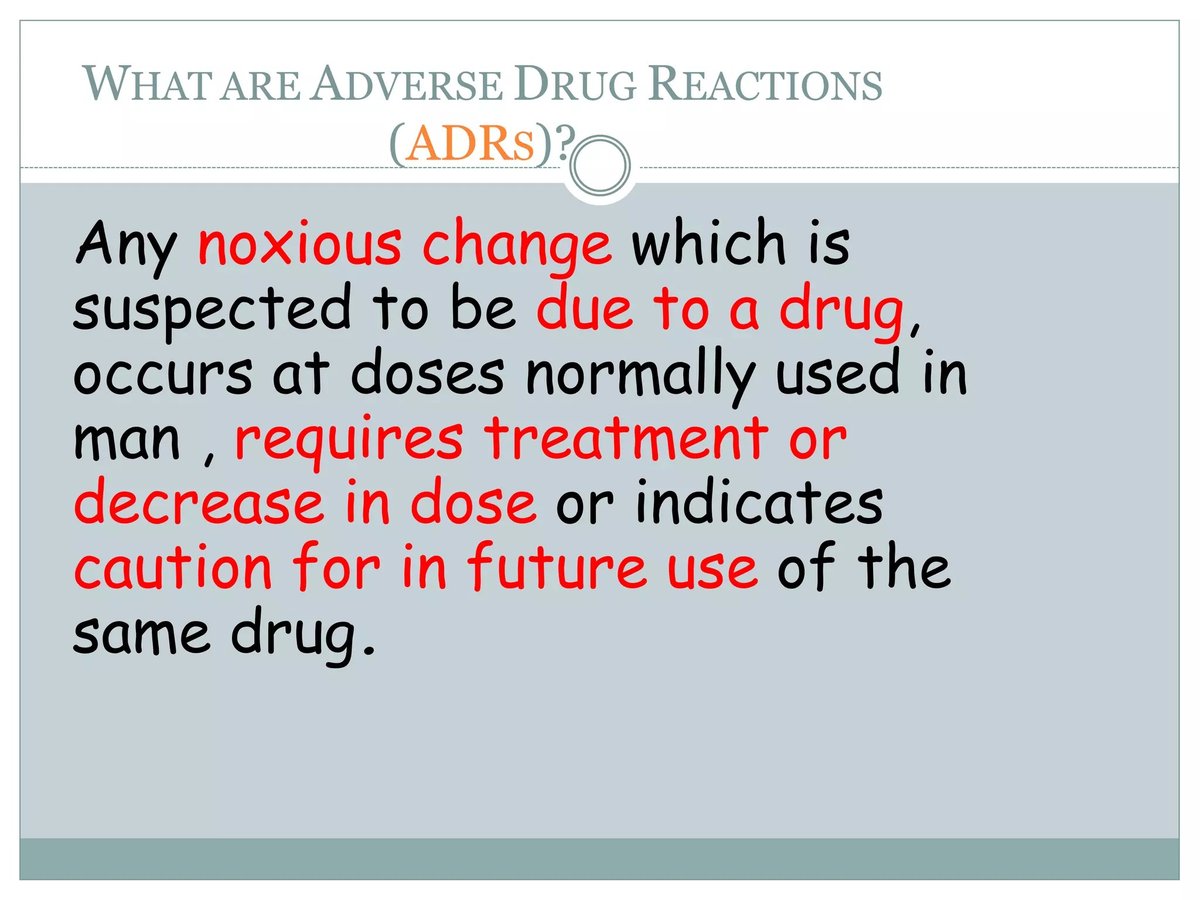
An adverse effect (also known as an adverse drug reaction or ADR) is any unintended, undesirable, or harmful reaction to a drug when it's taken at a normal dose. It's different from a drug interaction, which specifically involves two or more substances interfering. An adverse effect is what the drug itself does to your body that isn't the desired therapeutic action.
- Side Effects: Often used interchangeably with adverse effects, "side effect" typically refers to an expected, often mild, and usually tolerable adverse effect that can occur even at therapeutic doses (e.g., drowsiness from antihistamines, nausea from antibiotics).
- Severity Spectrum: Adverse effects range from mild (headache, dizziness, upset stomach) to moderate (rashes, significant fatigue) to severe and life-threatening (anaphylaxis, organ damage, internal bleeding).
- Predictability: Some adverse effects are common and well-known for a given drug, while others are rare and idiosyncratic (unpredictable and unique to an individual).
- Importance of Reporting: All adverse effects, especially new or worsening ones, should be reported to your healthcare provider. This information is crucial for patient safety and contributes to broader drug surveillance.
For instance, knowing how different generations of antibiotics work, such as with a Comprehensive guide to 3rd generation cephalosporins, can help anticipate common adverse effects and potential interactions specific to their class.
Your Action Plan: Preventing and Managing Medication Risks
Knowledge without action is merely information. Here’s how you can proactively protect yourself from adverse effects, contraindications, and drug interactions.
1. Build Your Personal Medication & Supplement Master List
This is your single most powerful tool for prevention. Don't rely on memory; create a comprehensive, written, and regularly updated list.
What to Include for EVERY Item (Prescription, OTC, Supplement, Vitamin, Herb):
- Full Name & Active Ingredients: For OTCs, list all active ingredients (e.g., "Acetaminophen, Dextromethorphan, Phenylephrine" for a cold medicine).
- Reason for Use: Why are you taking it?
- Dose: How much are you taking?
- Frequency: How often are you taking it?
- Duration: How long have you been taking it, or for how long are you prescribed?
- Special Instructions: With or without food? At bedtime?
- Prescribing Doctor (for prescriptions): Which doctor prescribed it?
- Start/Stop Dates: Important for tracking changes.
Practical Tips: - Keep it accessible: Store it on your phone, in your wallet, or a dedicated health binder. Make copies for family members.
- Share liberally: Give a copy to your primary care physician, every specialist, and your pharmacist. They need to see the whole picture.
- Consider one pharmacy: Using a single pharmacy helps them track all your prescriptions and identify potential drug-drug interactions automatically.
2. Speak Up: Open Communication with Healthcare Providers
You are the central figure in your healthcare team. Your active participation and honest communication are non-negotiable.
- Always Consult BEFORE Changing: Never start a new medication or supplement (even "natural" or OTC) or make changes to an existing one without first discussing it with your doctor or pharmacist. This includes stopping a medication because you feel better.
- Disclose EVERYTHING: Be transparent about all medications (prescription and OTC), supplements, vitamins, herbal remedies, alcohol, tobacco, and any recreational drugs you use. No judgment, just critical health information.
- Clarify All Instructions: Don't leave the doctor's office or pharmacy confused. Ask:
- What is the exact dose and timing?
- Should I take it with or without food?
- Are there any specific foods or drinks I must avoid?
- Are there other medications or supplements I should temporarily stop or avoid entirely?
- What are the expected side effects, and which ones warrant a call to your office?
- What should I do if I miss a dose?
- Report New Symptoms or Concerns: Contact your provider immediately if instructions are unclear, a dose is missed, new or changing side effects occur, or a medication does not seem to be working as expected.
3. Become a Label Detective: Reading Drug Information Carefully
Drug labels are packed with vital safety information. Don't just glance; read them.
- Prescription Labels: Beyond your name and dose, look for specific warnings, directions for taking the medication, and expiration dates.
- OTC Drug Labels (The "Drug Facts" Panel): These are legally mandated and incredibly informative. Pay close attention to:
- "Active Ingredients": What's actually in this product? Look for potential overlaps with other medications.
- "Uses": What is it for?
- "Warnings": This is where you'll find critical information about potential interactions, when not to use the product (contraindications), and conditions for which caution is advised.
- Example Warning Scenarios (FDA Guidance):
- Acid Reducers (e.g., cimetidine): May warn about interactions with theophylline, warfarin, or phenytoin.
- Antacids: Caution if you have kidney disease or allergies to milk; note potential interaction with prescription drugs.
- Antihistamines/Sleep Aids: Often advise avoiding alcohol and caution for individuals with breathing problems (asthma, emphysema), glaucoma, or an enlarged prostate.
- Nasal Decongestants: Advise caution for individuals with heart disease, high blood pressure, thyroid disease, or diabetes.
- Pain Relievers (e.g., acetaminophen, ibuprofen): Will often warn about alcohol consumption (3+ drinks daily) increasing risk of liver damage (acetaminophen) or stomach bleeding (ibuprofen).
- Nicotine Replacement Products: Advise caution if you have uncontrolled high blood pressure, heart disease, or irregular heartbeat; warn against using with other nicotine products.
- Review Regularly: Labels can change, and your health status can change. Make it a habit to re-read labels each time you start a new package or bottle.
4. Stay Organized, Stay Safe
Simple organizational habits can prevent medication errors and reduce interaction risks.
- Establish a Routine: Take medications at the same time each day to integrate them into your routine.
- Use Tools: Pill boxes (kept out of reach of children and pets), daily planners, smartphone alarms, or written reminders can be invaluable.
- Inform a Household Member: Let someone you trust know your medication schedule and where your medication list is kept. This acts as a crucial backup in an emergency.
5. Using Online Drug Interaction Checkers Wisely
Online tools that check for drug interactions can be helpful starting points. However, they are not a substitute for professional medical advice.
- Limitations: These tools are often generalized, may not be fully up-to-date, and cannot account for your unique medical history, genetic factors, or lifestyle nuances.
- Your Healthcare Provider is Key: Always use these tools as a preliminary check, then confirm findings and discuss all concerns with your doctor or pharmacist. They have the most comprehensive understanding of your health.
Moving Forward with Confidence: Empowering Your Health Journey
Navigating the landscape of medications, supplements, and health conditions can feel overwhelming, but it doesn't have to be. By understanding the core principles of adverse effects, contraindications, and drug interactions, you transform from a passive recipient of care into an active, informed participant.
This journey requires diligence, open communication, and a commitment to being your own best advocate. Remember, every question you ask, every label you read, and every update you share with your healthcare team adds a layer of protection to your well-being. Your health is too important to leave to chance. Take control, stay informed, and engage fully in your care.